
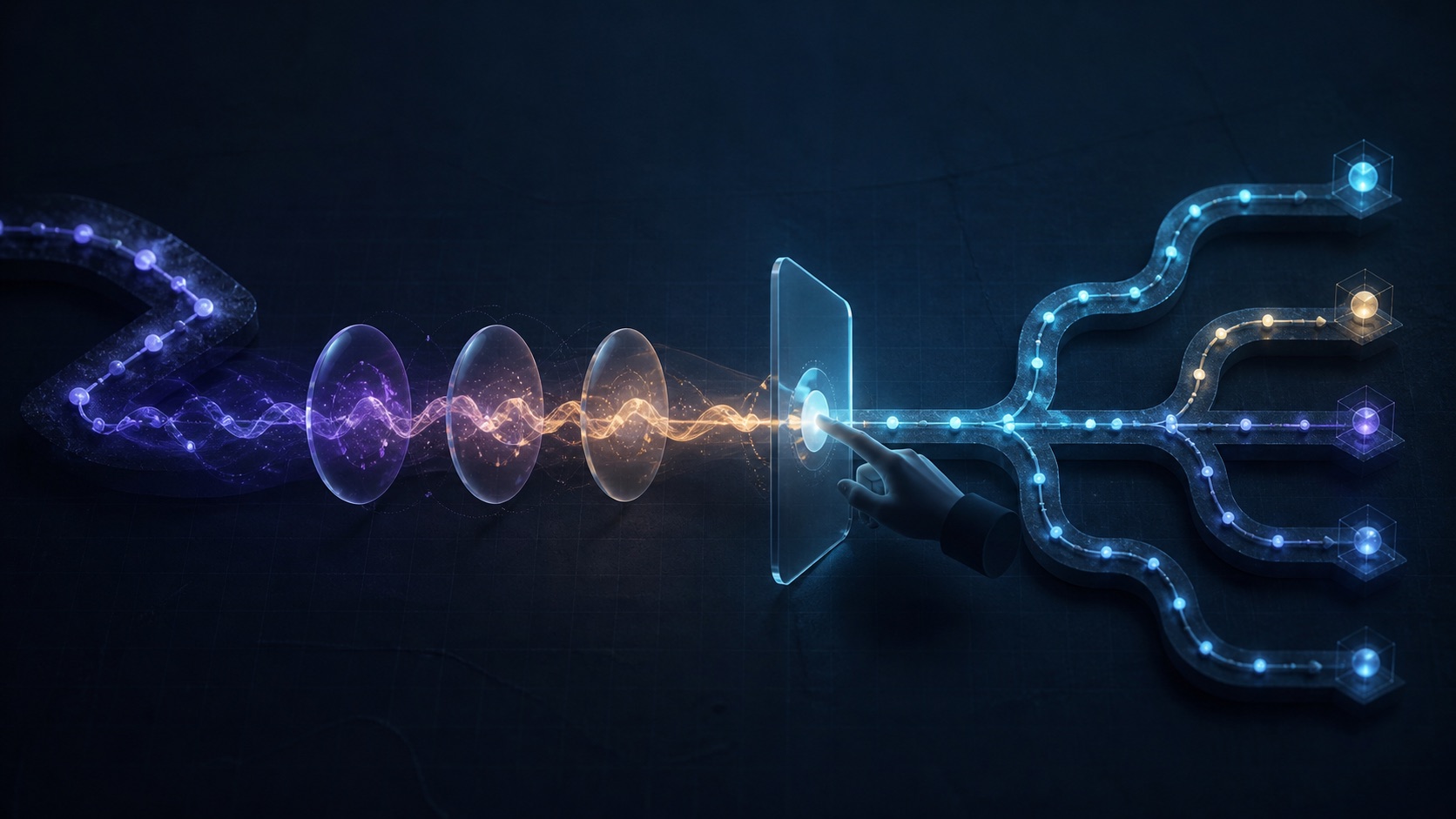
Continuous learning only helps when signals become traceable hypotheses, confirmed decisions, and changes that can still be reviewed.
Editorial archive
Blog I-9
by Felipe Abreu
Editorial archive
Recent reads

12 Artificial Intelligence
Data does not decide. It reduces the room you have to lie to yourself
Data and AI can clarify a decision, but they do not choose goals, values, or acceptable risk. Separate evidence, hypothesis, preference, and responsibility.
13 Artificial Intelligence
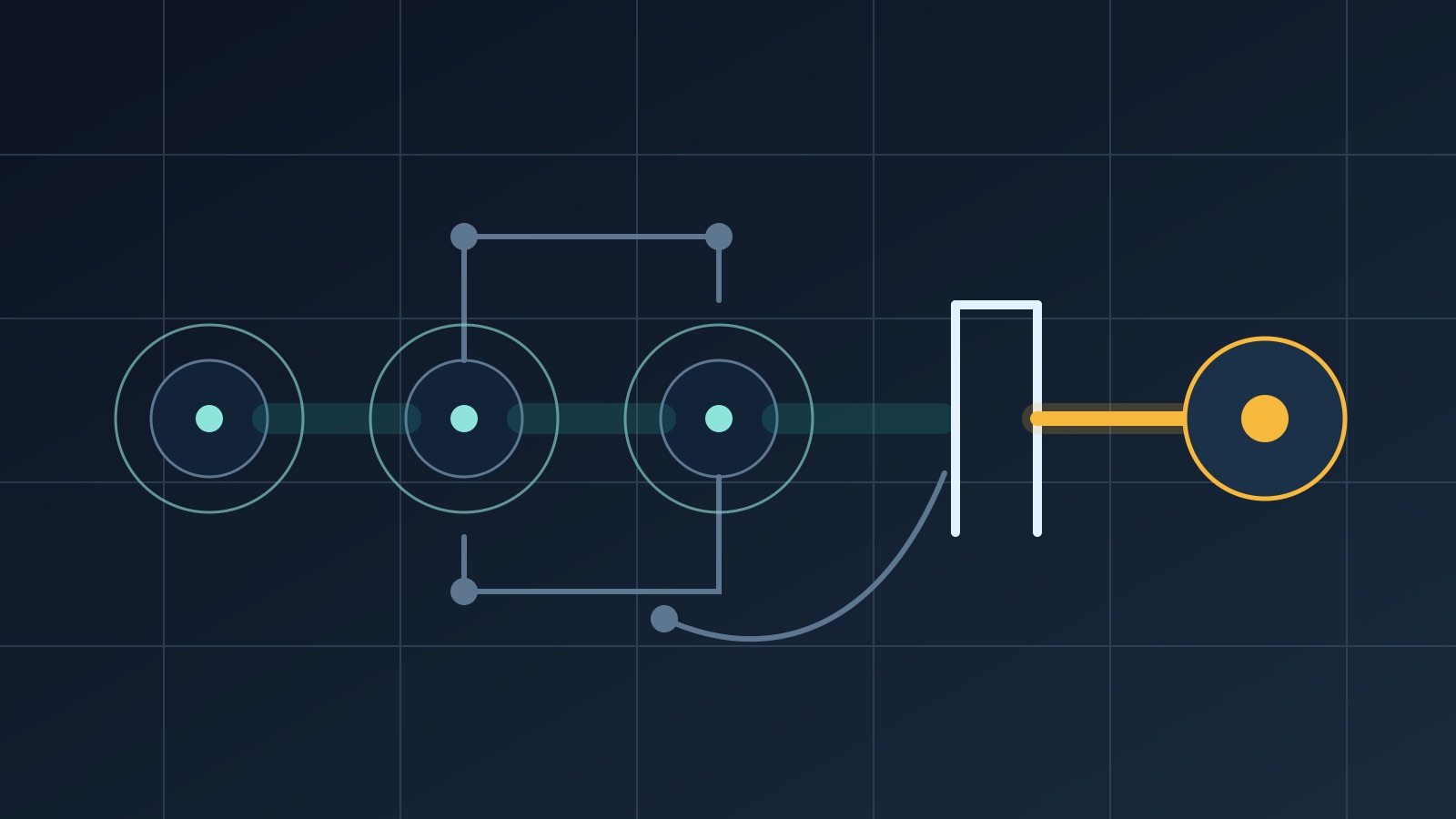
Does your agent know when to stop?
Autonomy without limits, escalation, and evidence turns speed into risk. A useful agent also needs to finish, ask for help, and step back.
14 Automation
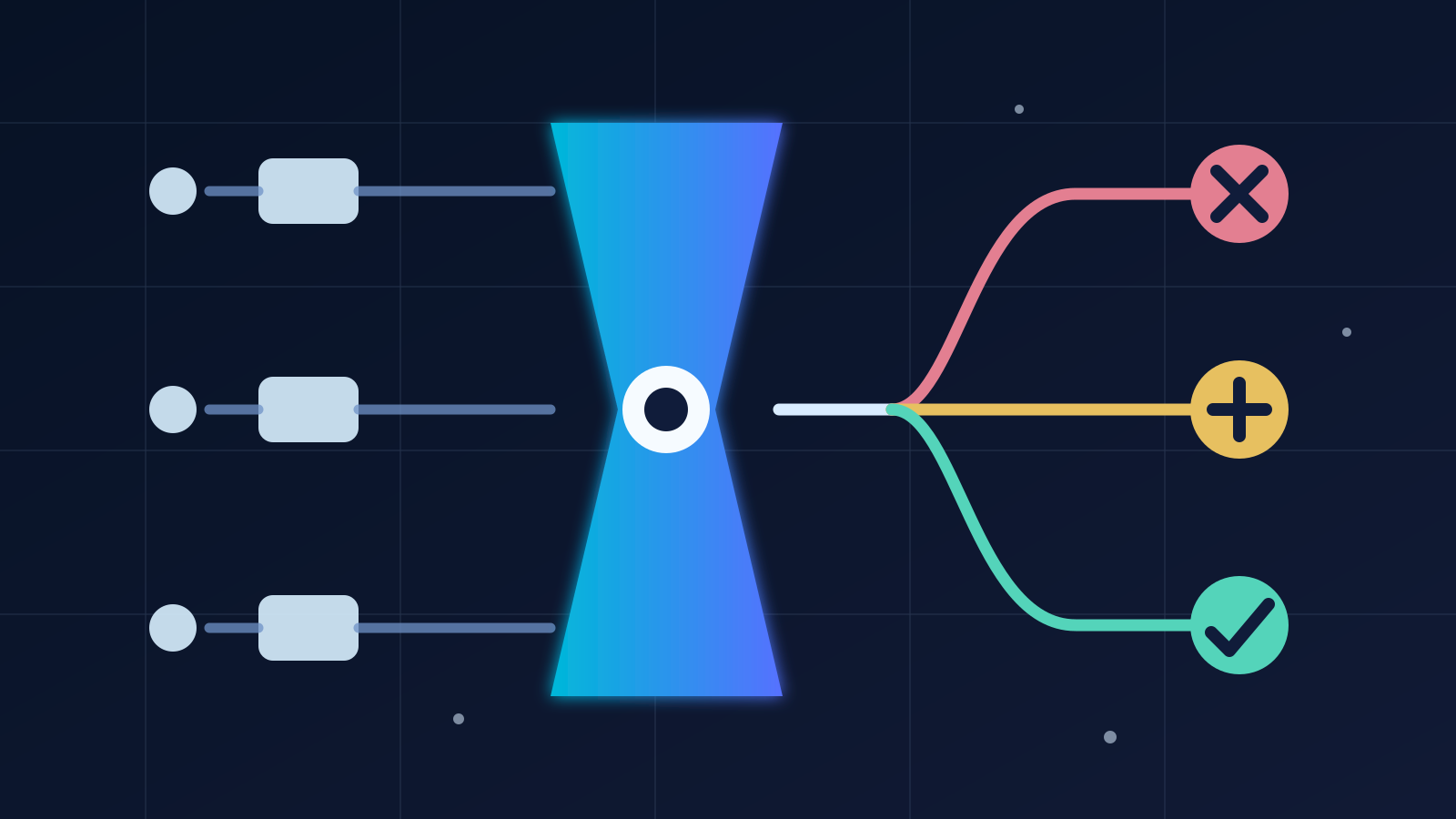
Not Every Bottleneck Needs AI. Sometimes You Just Need to Stop Doing a Stupid Step
Before putting AI into a process, find out whether the bottleneck calls for removal, simplification, standardization, automation, or intelligent assistance.
15 Automation
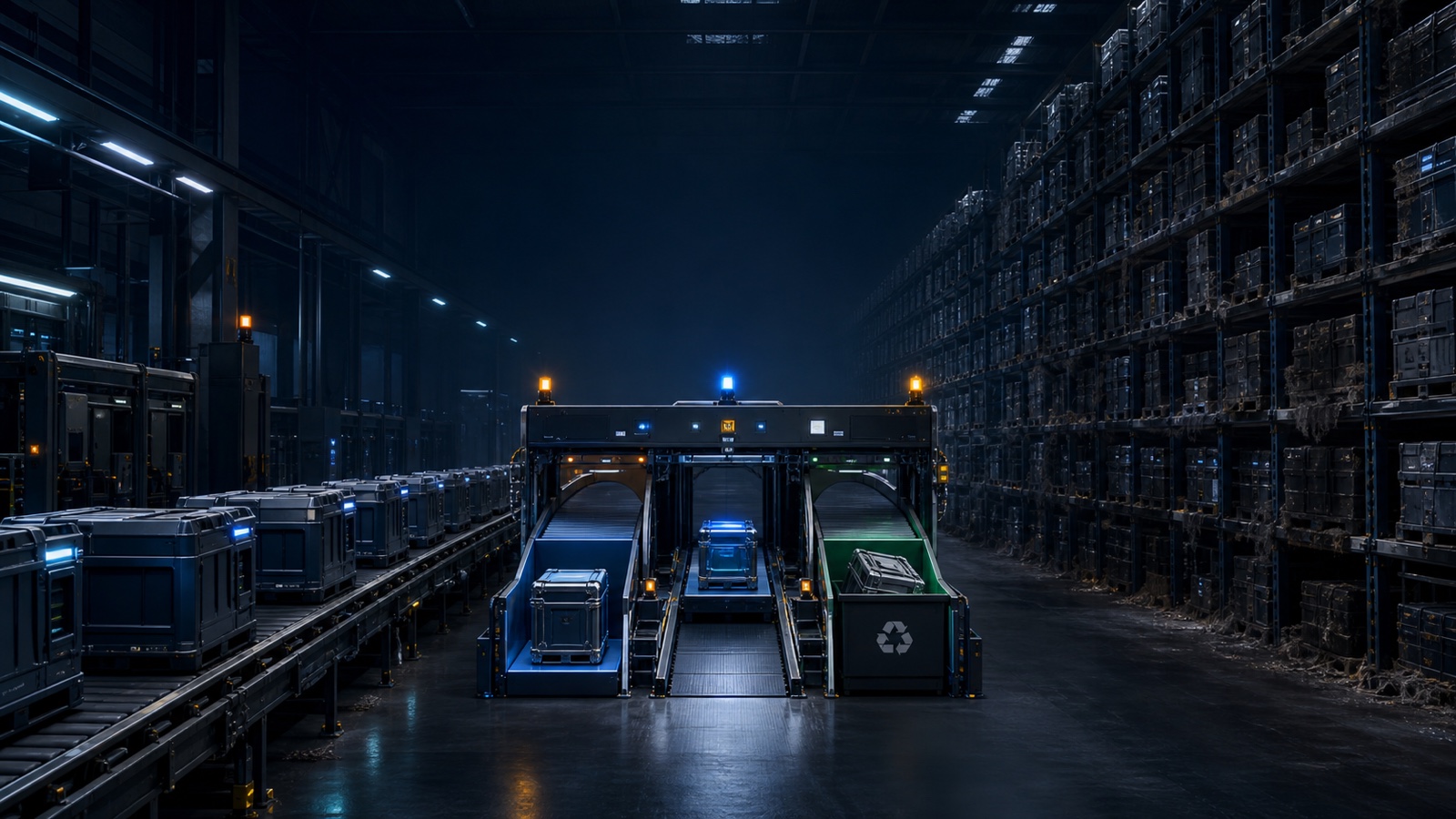
Your automation knows how to create. Does it know when to delete?
Creating artifacts without governing their end accumulates cost and risk. A safe method for cleaning images, previews, temporary versions, and backups.

16 Governance
Does your backup let you recover—or only sleep better?
A recoverable backup does more than restore files: it returns context, decision-making autonomy, and a real path to migration.
17 Software Engineering
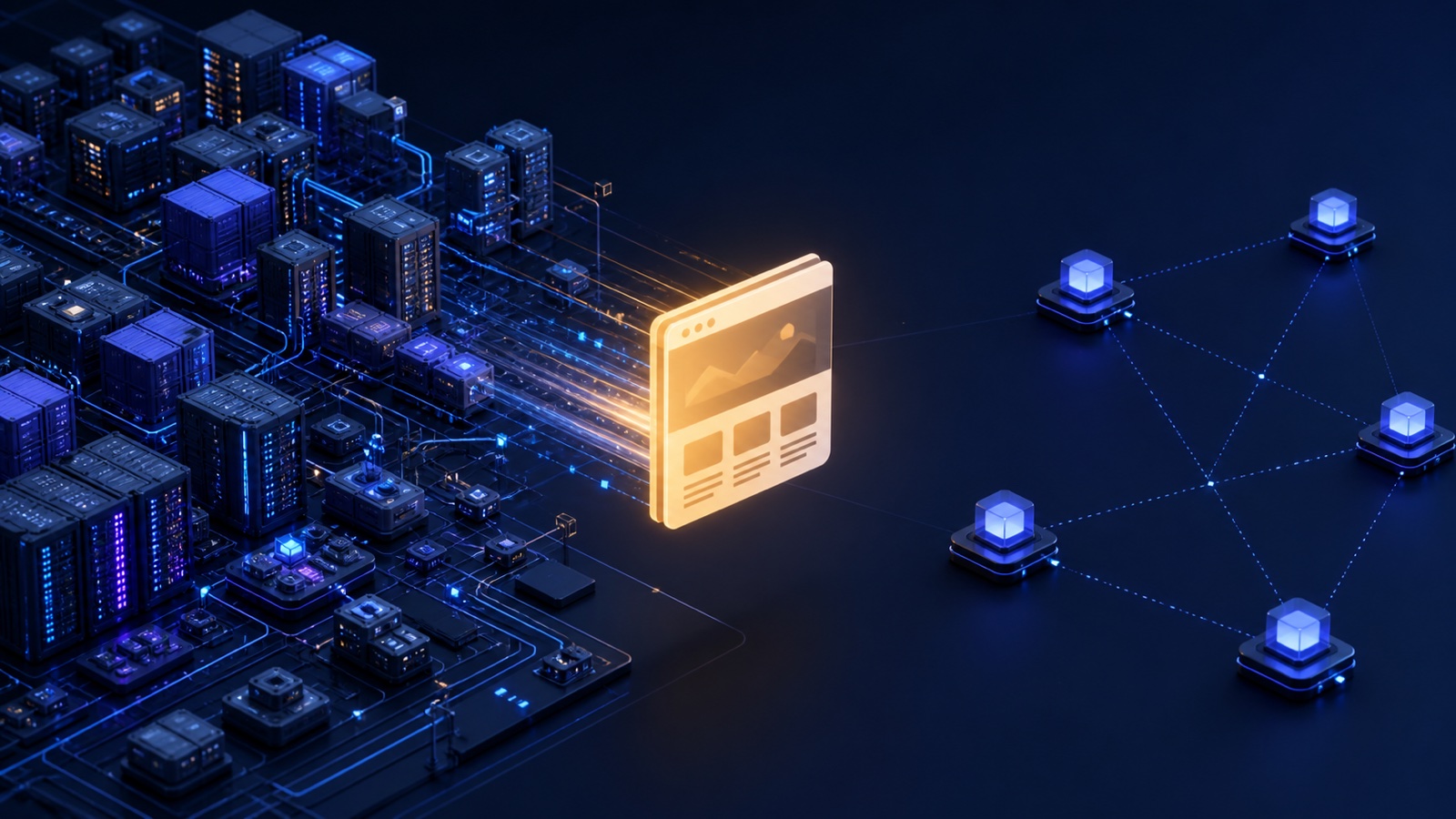
If the Site Is Static, Why Does It Need to Survive My Cluster?
A static site need not inherit every cluster failure. Removing dependencies can improve resilience without turning simplicity into dogma.
18 Governance
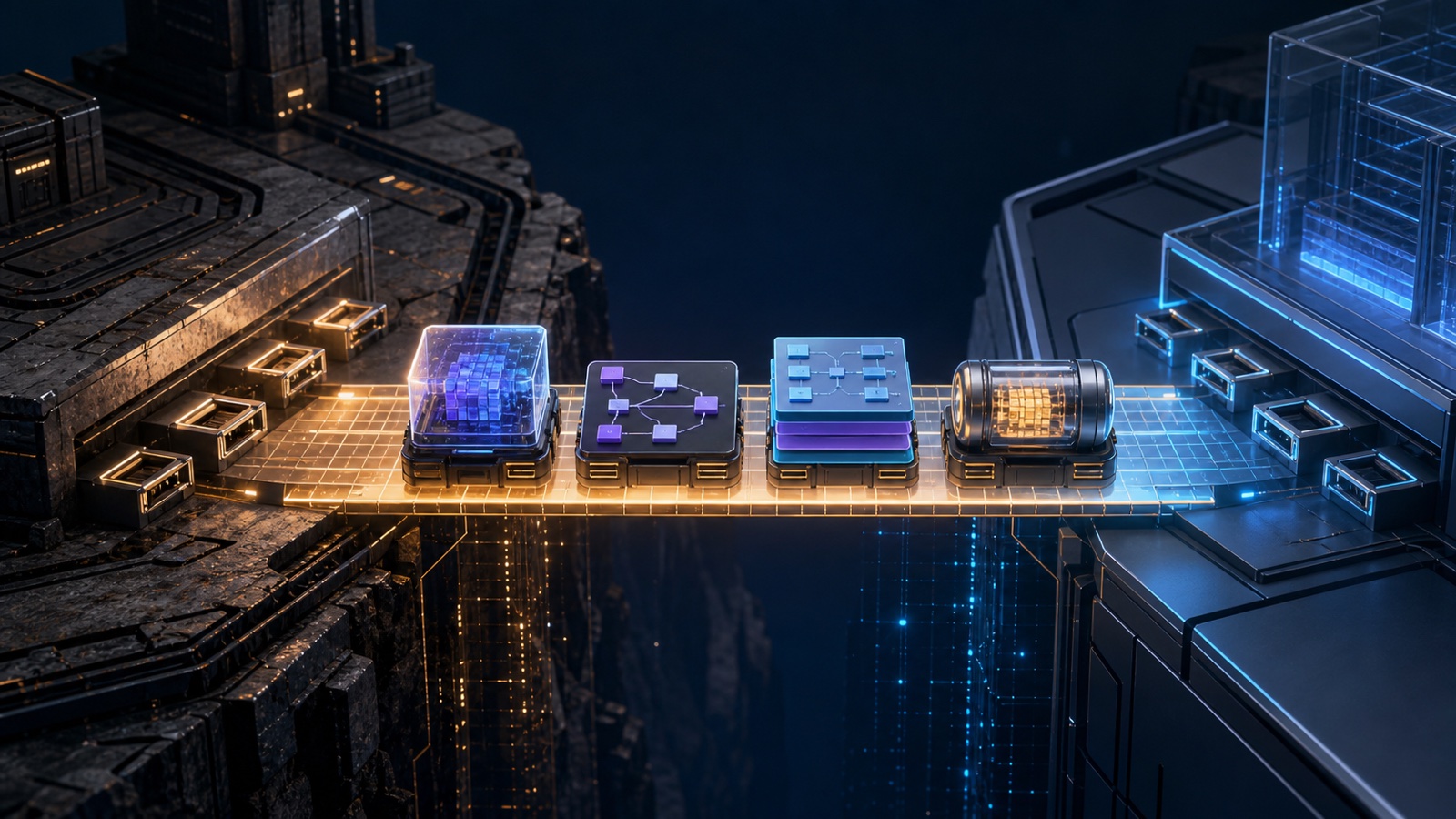
If I can't take the system with me, is it really mine?
Backup, portability, and operational sovereignty: what must exist to recover, rebuild, or migrate a system without improvising.
19 Artificial Intelligence
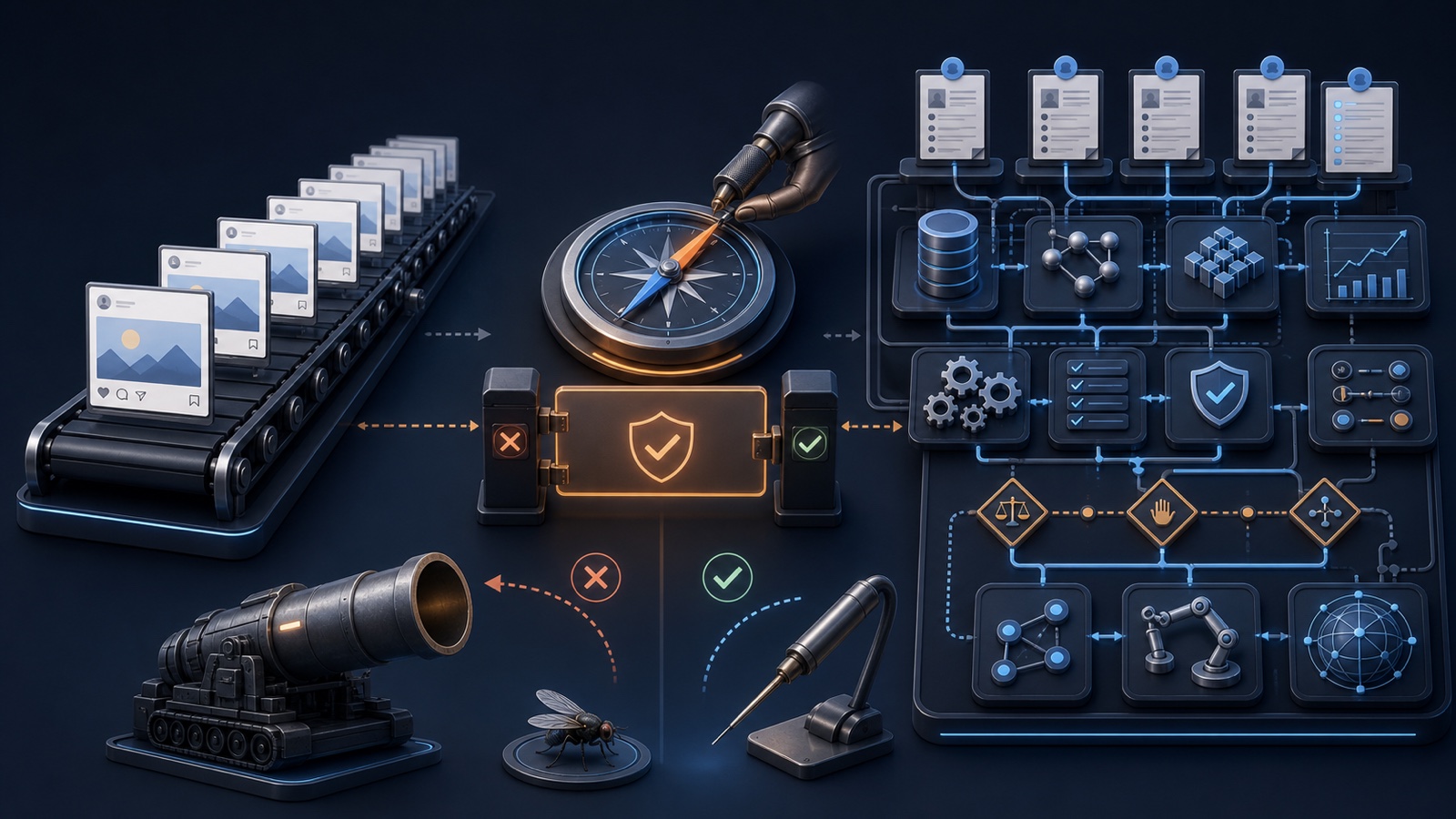
AI Is Not Just a Content Generator for Your Social Media
AI can produce content, but its value goes beyond the feed: coordination, validation, automation, and governed decisions rooted in real bottlenecks.

20 Artificial Intelligence
If AI Is Going to Do the Work, Don't Fire the Person Who Knows When It Is Wrong
AI automates tasks; it does not absorb context by osmosis. Firing the expert too early can turn efficiency into error at scale.