How I turned old conversations into testable hypotheses about my writing, decisions, and way of working—and then into contracts for a personal AI harness.
01 Artificial Intelligence
Latest article
Artificial Intelligence
Less manual execution, more direction and engagement with work. How I evaluate AI spending by what it delivers, including review and rework.

Editorial selection
A reading path through the ideas, problems, and principles that guide this blog.
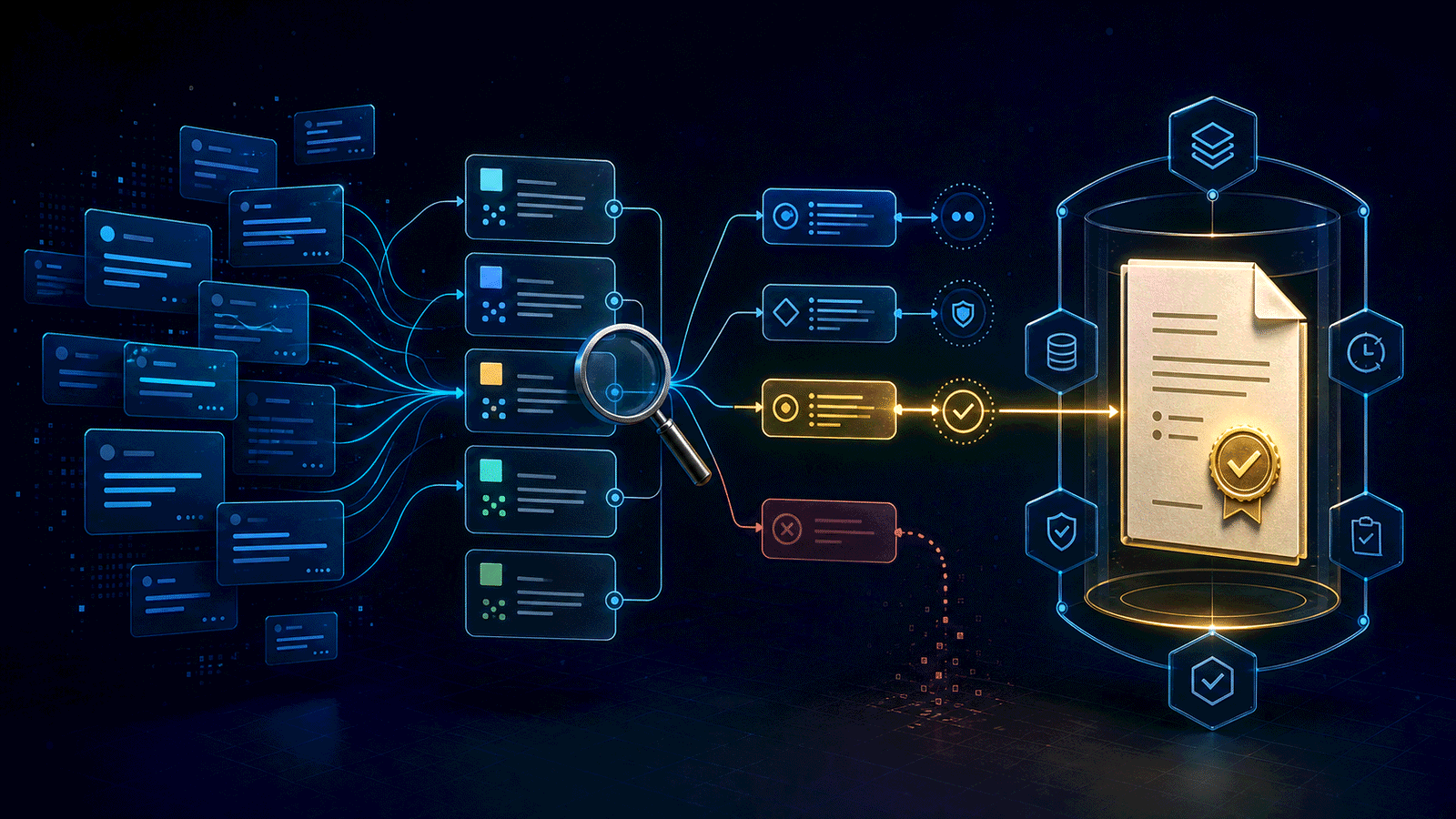
How I turned old conversations into testable hypotheses about my writing, decisions, and way of working—and then into contracts for a personal AI harness.
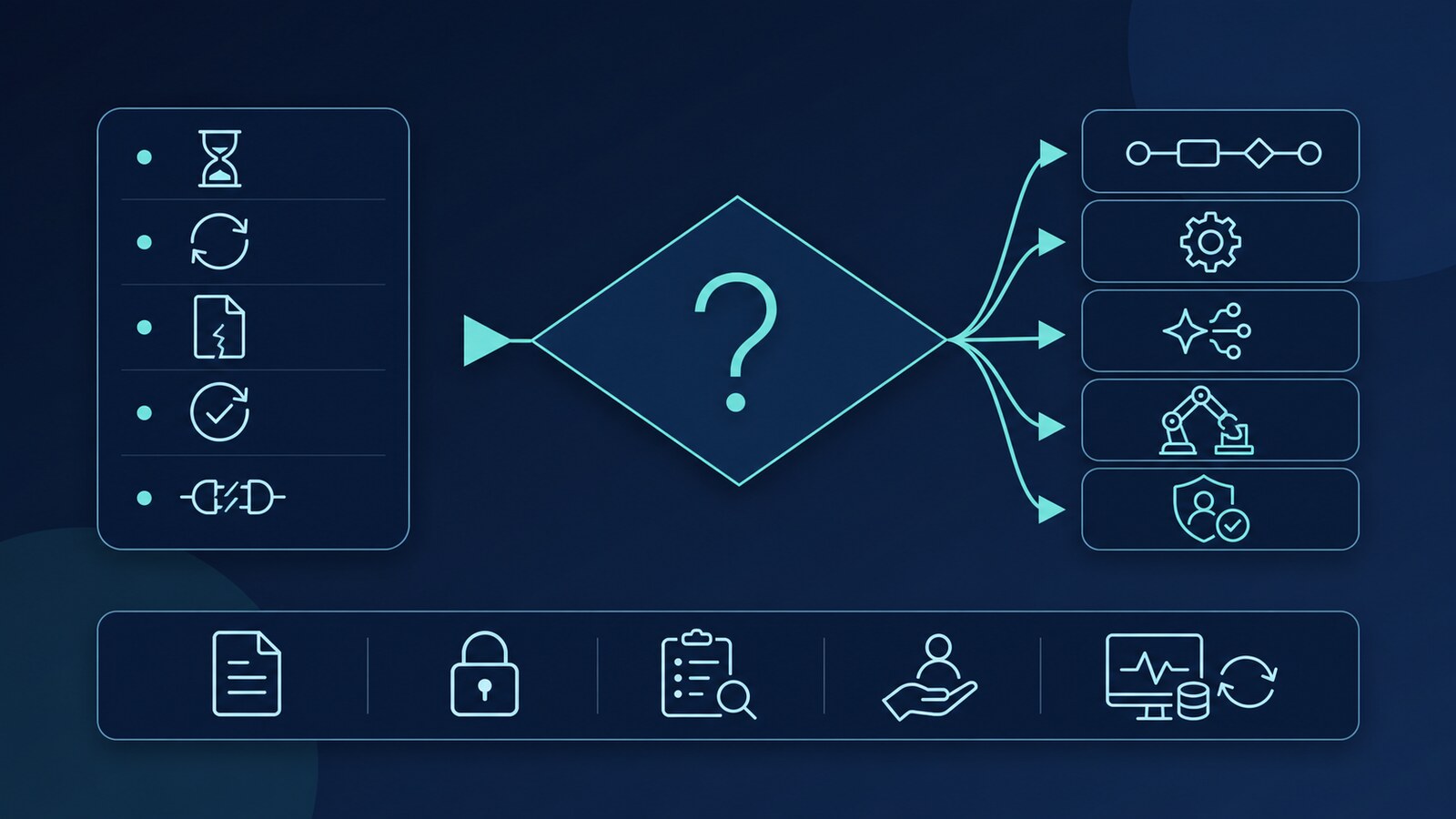
Where to use AI in the company? A practical guide to finding bottlenecks and choosing between process, automation, AI assistance, agents, and human decision-making.
Why useful agents need to expose uncertainty, point out blind spots, and turn human criteria into a verifiable system.
Editorial archive
Dots offers memory and initiative. In my work, contracts, skills, and explicit criteria still make conversations with my own harness more effective.
AI saves the writing of a review, but repeated comments can demand the whole team's attention. Volume does not replace evidence, reading, or judgment.
Duplicate skills, divergent versions and aging instructions: discover I-9 Skills and experiment with better management of your agents' capabilities.
AI can meet the description and miss the intent. Selling the output without understanding its assumptions turns polish into a false promise of expertise.
Criteria should not depend on a brilliant prompt for every request. Skills, context, checks, and limits can turn natural intent into governed work.
A workflow is a verifiable path from a request to final evidence. Without owners, exceptions, and transition criteria, automation only accelerates chaos.
GPT-6 Astra and Claude Fable 5.1 show why choosing AI requires cost per task, routing, boundaries, evidence, and governance.
A useful author file does not ask AI to guess personality: it records facts, confirmed positions, limits, and sources to guide work without faking authorship.
An AI harness turns a model into an operation: context, memory, tools, policies, validation, observability, and rollback.